The body requires energy to digest, absorb, and process nutrients, and this process is known as the thermic effect of food (TEF). Protein has a higher TEF compared to other macronutrients, meaning that the body expends more calories during protein digestion. By incorporating high-protein foods like pepperoni into your diet, you can potentially enhance your overall calorie burning and support weight loss efforts. Following a healthful diet provides essential nutrients for long-term health, but even the healthiest diet has room for a treat now and then. Eating your favorite foods in moderation can prevent you from feeling deprived and keep you on track with your healthful lifestyle. While it’s calorie-dense and high in fat and sodium, moderate consumption can fit into a balanced diet when combined with other nutrient-rich foods.
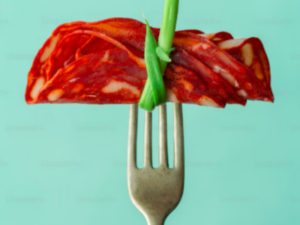
Is Pepperoni a Healthy Snack?
In addition to calories, pepperoni tends to be low in essential nutrients compared to other protein sources like chicken or fish. It’s advisable to consider nutrient density when incorporating pepperoni into meals, ensuring that you’re not sacrificing essential vitamins and minerals for the sake of flavor. Elevated sodium levels can lead to water retention and make weight loss efforts seem sluggish. If you’re sensitive to sodium or have existing health conditions, it might be worth considering this before indulging in pepperoni.
Can You Add Corn to Chili? Discover Flavorful Insights on Chili
By prioritizing nutrient-dense foods alongside small portions of pepperoni, you can create a well-rounded and satisfying diet that supports weight loss. While it is not typically considered a healthy snack, pepperoni can be enjoyed in moderation as part of a balanced diet. It is essential to balance the intake of higher-calorie, higher-fat foods by incorporating plenty of fruits and vegetables, whole grains, lean proteins, and other nutritious foods. Even though pepperoni pizza tastes delicious, it’s not necessarily the best option for those looking to lose weight.

Potential Downsides of Pepperoni
If you want to enjoy a slice of pizza without jeopardizing your diet, opt for healthier toppings like vegetables or lean meats. With that said, an occasional slice of pepperoni pizza won’t hurt as long as you keep track of your calorie intake. However, eaten in moderation such as topping an occasional pizza, pepperoni likely won’t be too detrimental. But it’s not recommended to eat it daily or in large portions due to the high levels of sodium and saturated fat.
Peppermint pepper to lose weight: truth or myth?
Pepperoni contains several minerals which offer a range of health benefits. Potassium helps regulate blood pressure and fluid balance, magnesium is essential for energy production and healthy bones, and zinc is needed for wound healing and immune system function. Most pepperoni products are gluten-free since they don’t contain wheat-based ingredients. However, it’s essential to check the label for any potential gluten-containing additives if you have celiac disease or gluten sensitivity.
- For example, adding a few slices to a salad or sandwich can provide that tasty pepperoni flavor while also giving you the necessary nutrients for a workout.
- So while pepperoni has some nutritional value, it’s best enjoyed sparingly rather than as a daily snack.
- Staying hydrated and incorporating probiotic-rich foods such as yogurt or kefir can also help improve digestion.
- This might help you feel satisfied and reduce cravings for less healthy snacks.
- The antioxidants found in pepperoni can help protect cells from damage and reduce the risk of chronic diseases such as heart disease and cancer.
- While this may not seem like a significant amount, it can add up quickly when used as a pizza topping or consumed in large quantities.
Lactose-free or lactose-free milk: is it good or bad?
Pepperoni is considered a processed meat, while bacon is classified as both processed and red meat, which carries additional cancer risks. The World Health Organization classified processed meat as a Group 1 carcinogen – meaning there is strong evidence that it causes cancer. While both contain preservatives, pepperoni has the added ingredients of beef and spices, making it slightly more processed than regular bacon. The recommended daily intake for men is 8 mg per day and 18 mg per day for women. One serving of pepperoni (about 2 oz) contains 2 mg of iron, making it a great snack choice if you’re looking to unimeal app reviews get your daily dose. In addition, the consumption of pepperoni pepper also helps blood circulation, helping vasodilation, which prevents the clogging of veins.
Is Pepperoni Healthy for You? A Look at the Risks
However, keep in mind that the texture may be slightly different, and the pepperoni may be more coarsely ground. Pepperoni can spoil if it’s not stored properly, so it’s worth noting that it should be kept in a cool, dry place, away from direct sunlight and heat sources. If you’re not sure if your pepperoni has gone bad, there are a few signs to look out for. If the pepperoni is past its expiration date, it’s best to err on the side of caution and discard it.
Only those who overindulge in pepperoni constantly may impact long-term health negatively. Tangy flavor, chewy texture, spicy – this is how people usually describe pepperoni when trying it for the first time. As one of the most common and delectable pizza toppings, pepperoni has gained popularity. This can lead to obesity, but it can also have you feeling lethargic, weak, and, on top of it all, feeling like you need to eat more when, in reality, your body has had enough!
Is it safe to eat pepperoni?
Pepperoni is a versatile ingredient that pairs well with a variety of other flavors. In addition to pizza, it can be enjoyed in sandwiches, salads, pasta dishes, or as a snack with cheese and crackers. Experiment with different combinations to find your favorite pepperoni pairings. Pectin is a substance found in pepperoni, and science points out that it is an excellent regulator of cholesterol levels, especially when in excess. It works as a mild medicine, capable of lowering cholesterol in the short to medium term as long as it is consumed gradually and regularly. Whether in pasta, soups, broths and potato recipes, pepperoni peppers combine with many ingredients in the kitchen.
Nutritional Profile
It’s time to take a closer look at one of the most classic pizza toppings. The meat goes through proper curing and cooking processes that eliminate harmful bacteria such as E. Whether four slices of pizza is too much largely depends on personal dietary requirements and lifestyle.
Most brands are very low-carb (0–1g per serving), but some contain added sugar or dextrose. Here are the answers to the most frequently asked questions about pepperoni and “is pepperoni good for you? So, the answer to the question, “Is Pepperoni Good for You on Carnivore? However, many believe that these studies are epidemiological and flawed, especially when the rest of the diet is high-quality animal-based. Fire-roasted peppers team up with the creamy goodness of our mozzarella for a flavor combo that’s as silky as it is smoky. Bright, slightly sweet lemons cut through the rich creaminess of our mozzarella for a fresh, balanced bite.
Is pepperoni high in fat?
It’s also important to consider the cumulative exposure to these additives from other dietary sources, as the effects of long-term, repeated consumption are not yet fully understood. Due to its high sodium, fat, preservatives, and calorie content, pepperoni should only be consumed occasionally. If you have a history of digestive issues or are experiencing discomfort after consuming pepperoni, it’s best to consult a healthcare professional for personalized advice. They may recommend alternative protein sources that are easier for your body to digest.
